College of Liberal Arts and Sciences
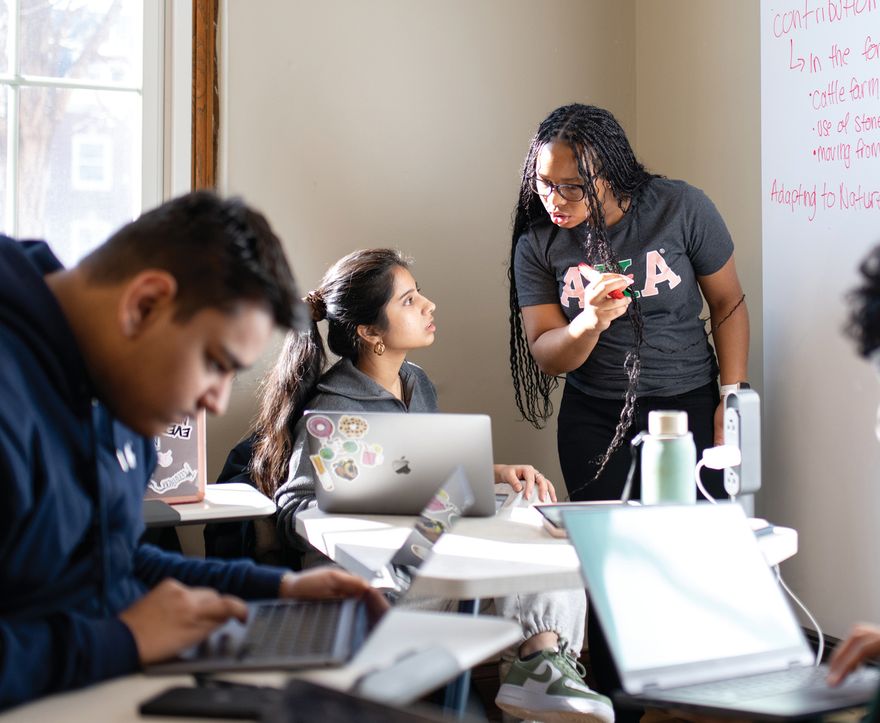
Dive deep into the complexities of our world, guided by passionate faculty and small classes that foster the critical thinking today’s world demands.
Answering the big questions
Choice
Three schools, one transcript. At DePauw, you’re admitted to the university, not one school, so you’re never boxed into a single path. Every student can take classes and pursue experiences across all three schools: pair a laboratory with a stage, a balance sheet with a language – no second application and no switching required. The ability to create your own path is built into how DePauw works from day one – right down to a faculty mentor who knows your name.
Dive deep into the complexities of our world, guided by passionate faculty and small classes that foster the critical thinking today’s world demands.
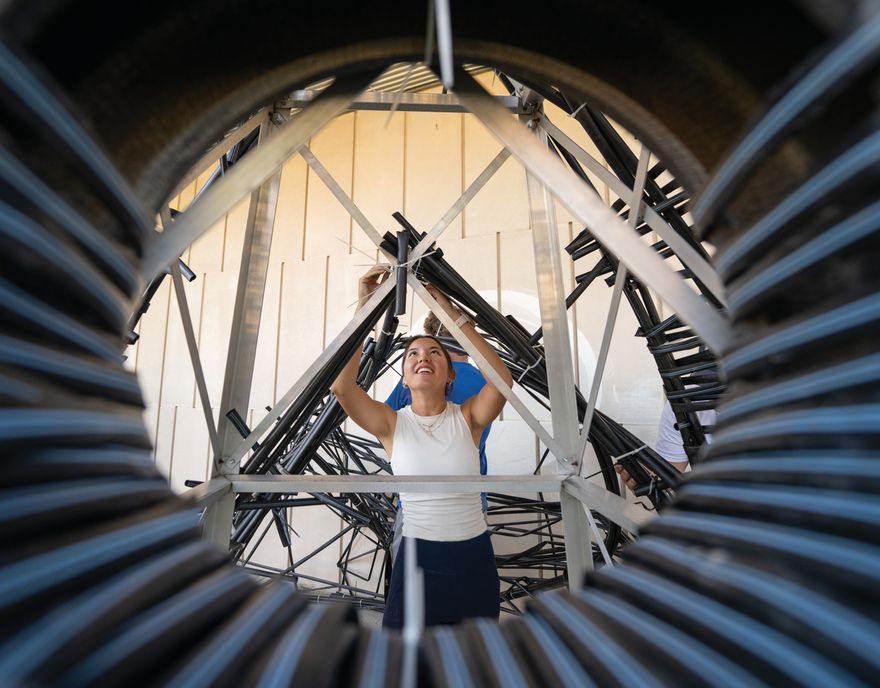
Develop a singular creative voice across music, theatre, film, visual art and writing – collaborating the way professionals in creative industries do.
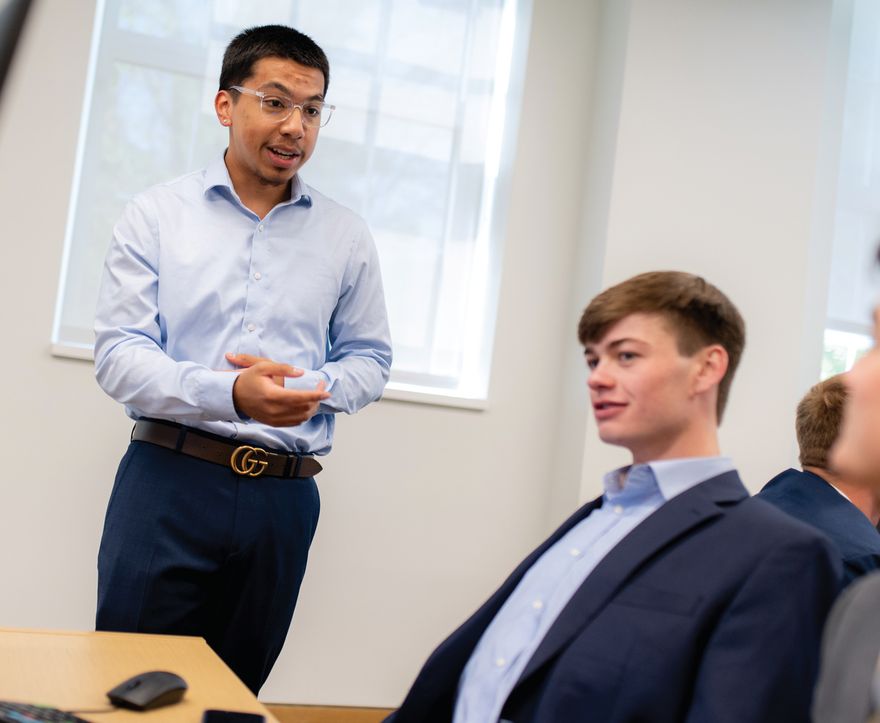
Pair the breadth of the liberal arts with practical business acumen – Bloomberg terminals, ethical decision-making and an alumni network that opens doors.
Areas of study
Student voice
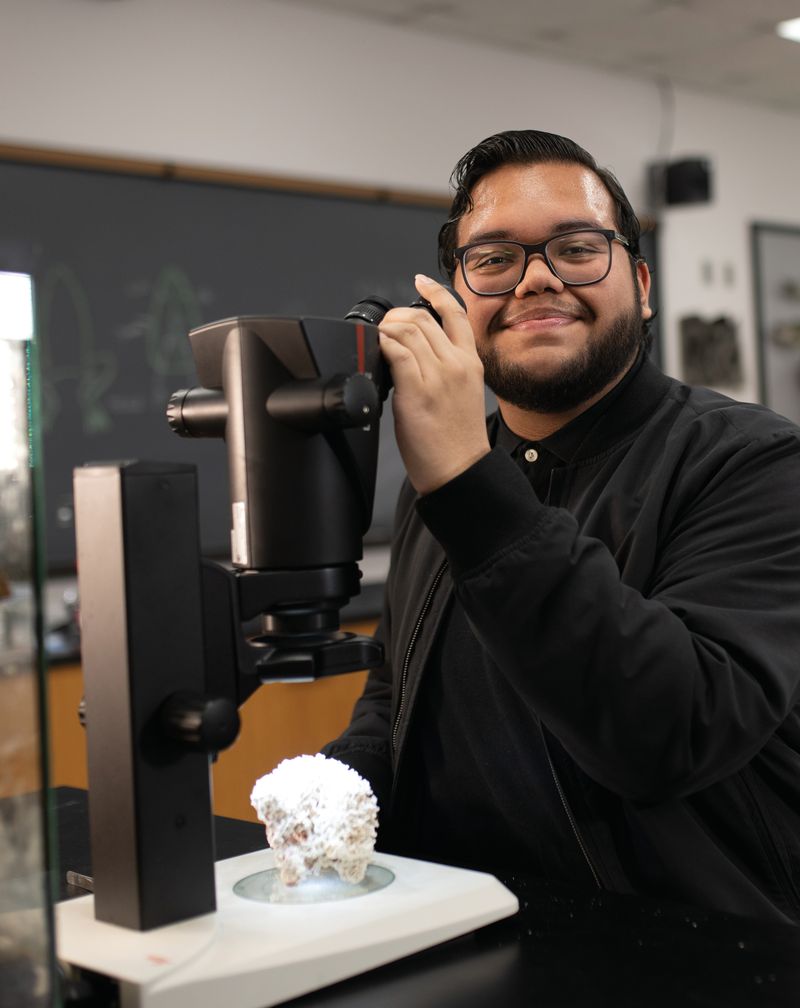
Patrick pairs theatre with biology, moving freely between the Creative School and the College of Liberal Arts and Sciences – part of a larger journey toward self-realization he’s found at DePauw.
“I’ve never liked putting myself in just one box. Both majors are very different, but I love the well-roundedness of pursuing both. I have always enjoyed being able to expand my knowledge in fields which genuinely pique my interest.”
Curiosity
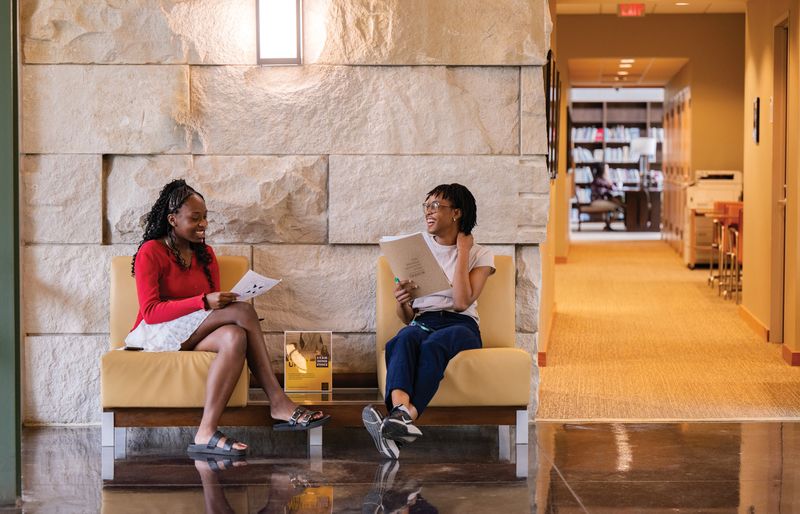
A second curriculum built for the curious – from specialized first-year seminars to guaranteed internships, each program blends classroom learning with real-world discovery.
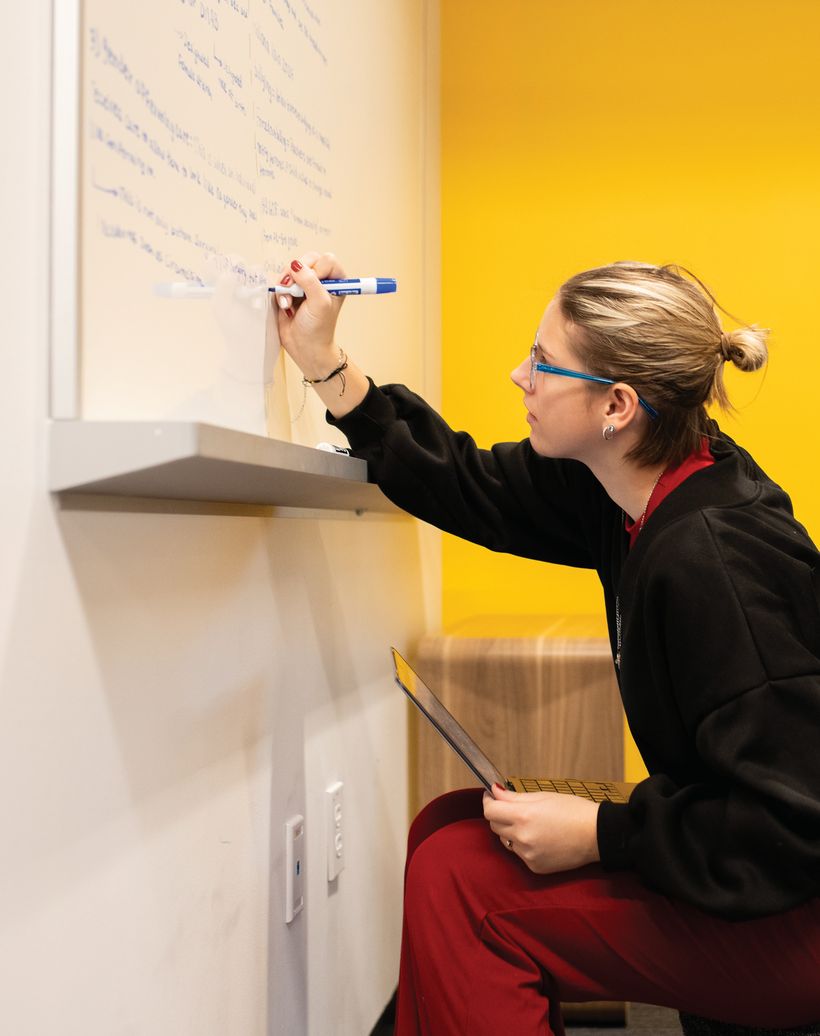
Interdisciplinary seminars across the arts, sciences and social sciences, culminating in a self-designed, year-long senior thesis written under a faculty committee you help choose.
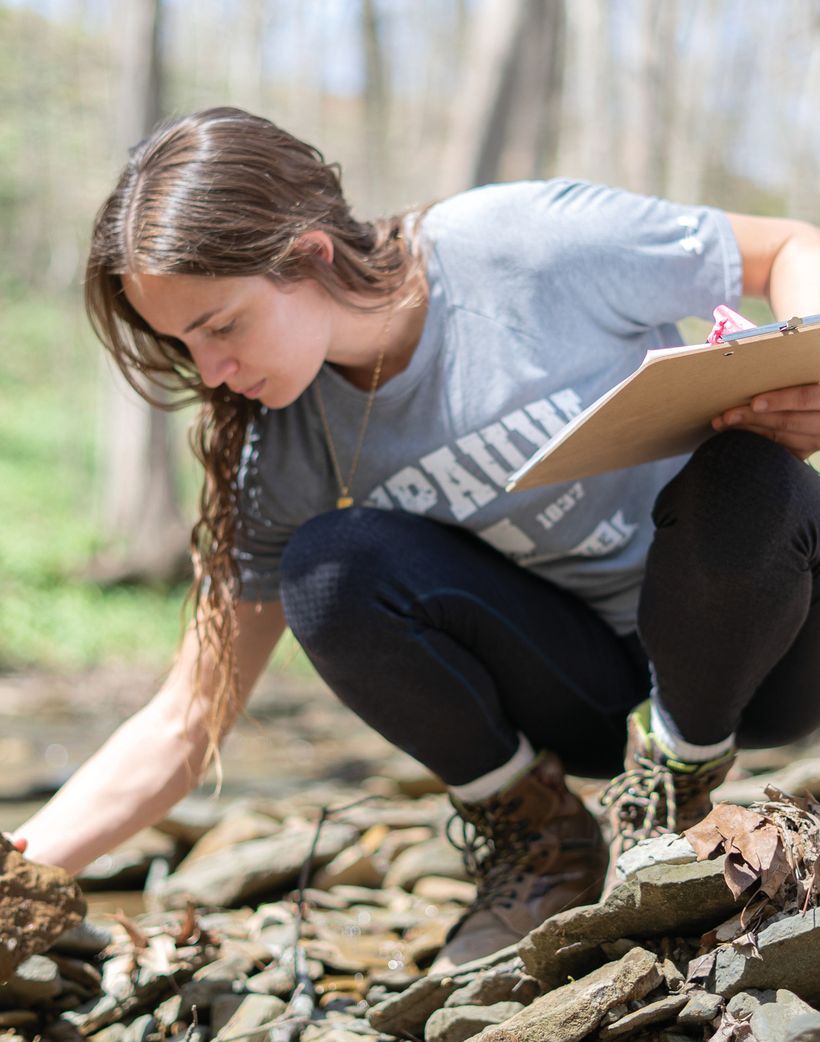
A four-year plan: environmental first-year seminar, a summer or full-semester practicum and a senior capstone seminar, plus six environmentally focused courses across the disciplines.

Add a global lens to any major through flexible global studies courses, global learning experiences at home and abroad and compensated student leadership roles.
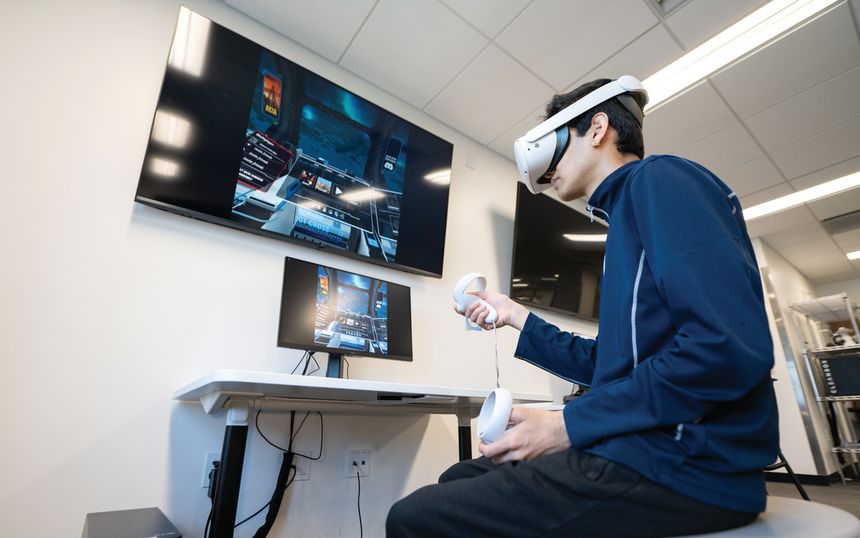
Paid, yearlong on-campus internships on real tech projects with faculty and staff, building professional and leadership skills for any major. No work-study required.
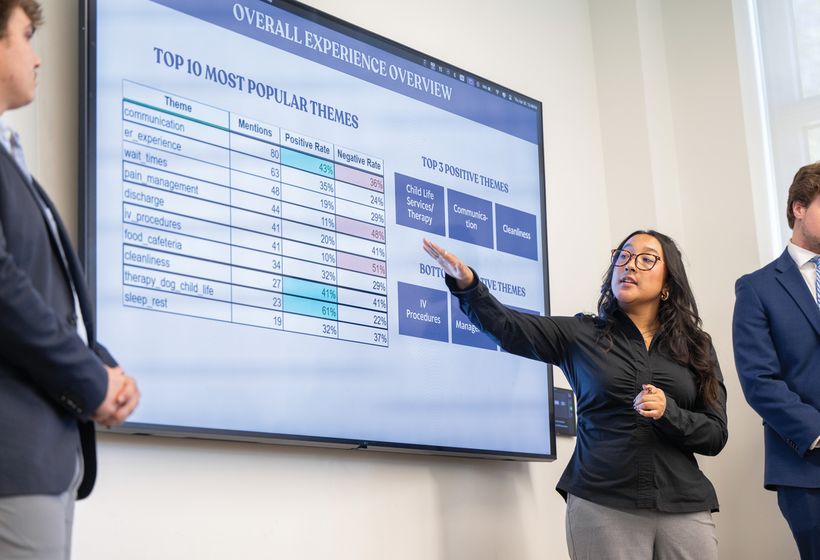
Business fundamentals plus a full-time, semester-long professional internship and a senior seminar. More than 1,000 Fellows placed in finance, consulting and beyond.
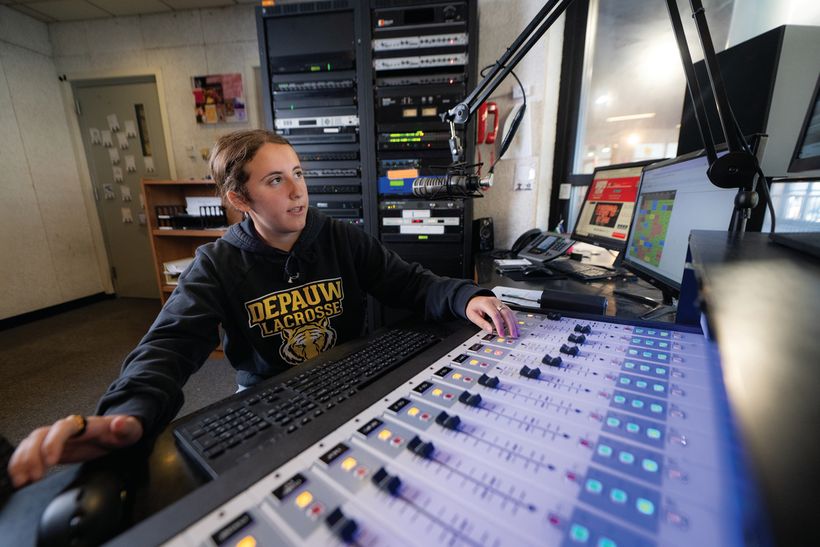
First-year seminars, a semester-long professional media internship and a senior capstone, plus four semesters in student media at The DePauw, WGRE or D3TV.
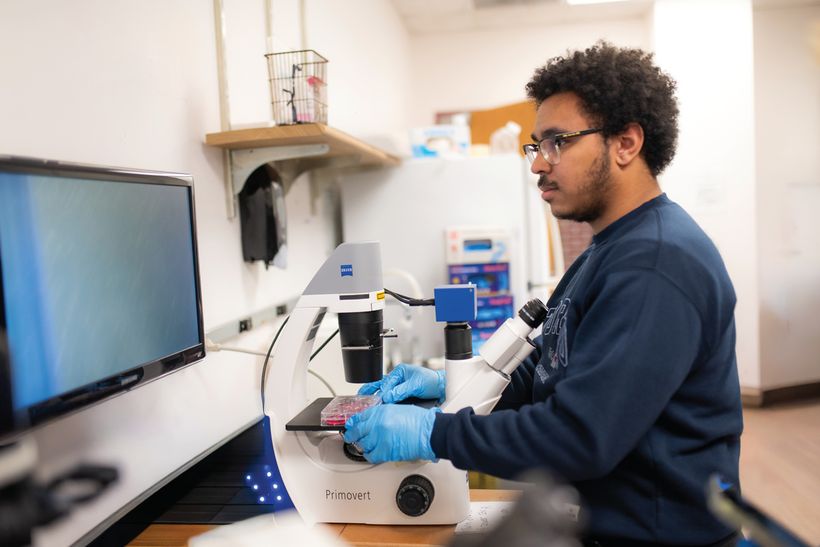
A scaffolded path from proposal-writing coursework and research workshops to an intensive eight- to 10-week research experience and a senior professional-skills course.
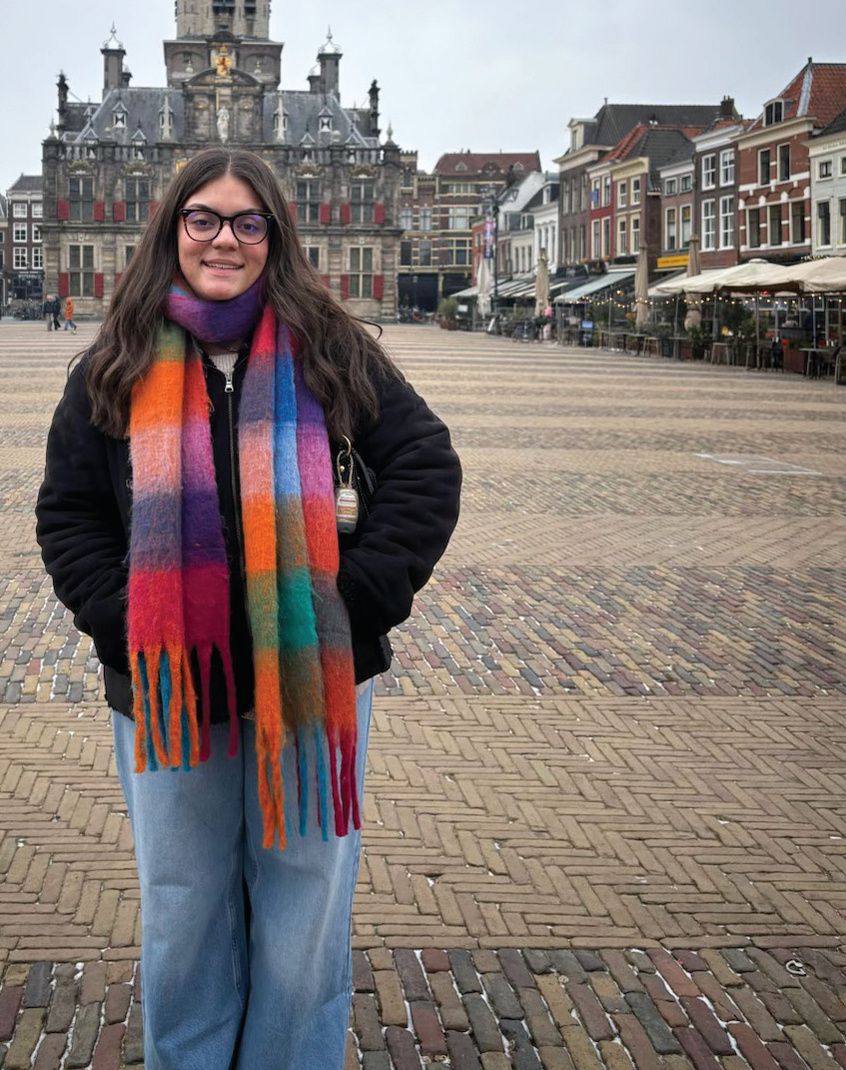
Student voice
Between honor scholar seminars, a media fellowship and a Hillman internship, Monze has found a true passion for learning that reaches far past the classroom.
“Being able to take so many different classes and to be involved in so many different activities, I’ve gained different skills, abilities and ideas that I wouldn’t have if I just focused on simply one thing. I feel very prepared.”
Prindle Institute for Ethics
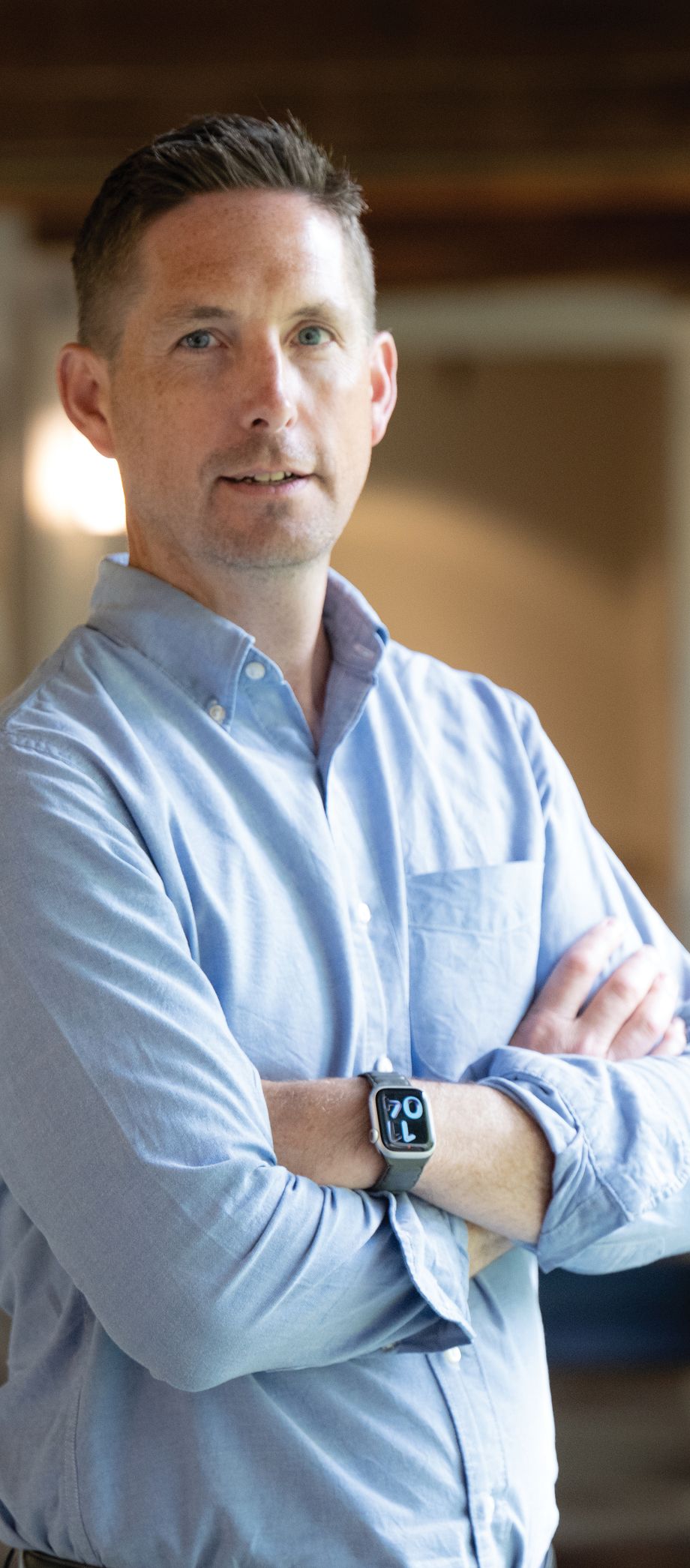
When AI can write essays, pass exams and create art in seconds, what’s left for humans to figure out? Quite a lot, says Jeff Dunn, director of DePauw’s Prindle Institute for Ethics. He helps students explore not just how to use AI, but whether and why. We sat down with him to talk about what it means to think ethically in an AI-shaped world, and why DePauw might be the best place to learn how.
Learn more at prindleinstitute.org.
Dunn: It means stepping back and asking whether your use of AI helps or harms others, respects people’s rights and contributes to the common good. Those are timeless ethical questions, but AI also raises larger issues about work, the environment and society.
Dunn: Liberal arts education has always developed leaders who communicate, think critically and make sound decisions. As AI takes over more routine work, the most valuable skill becomes deciding what’s worth creating. Learning to ask meaningful questions is exactly what the liberal arts prepare students to do.
Dunn: Honestly? We don’t know yet. And I mean that not just about DePauw – I mean we as humans don’t know the answer to that. I’d be skeptical of anyone who gave you a really clear answer. What I would say is if you care about that question, the right move is to surround yourself with smart, curious people who think it’s an important question to figure out together.
That’s what I think DePauw, and the Prindle Institute in particular, can offer. We lean into the big questions rather than waiting for them. And these are big questions – not just about your own AI use, but about what kind of world we want to live in, what kind of work and connection we want to preserve and how we think about the value of a human life beyond economic productivity. Those used to be thought experiments that philosophers entertained. Now it looks like we might actually have to figure them out.
Discovery
From year one, students partner with faculty across the sciences, humanities and social sciences. Here you don’t wait behind graduate students for the chance to do real work.
36%
of DePauw students conduct faculty-student research
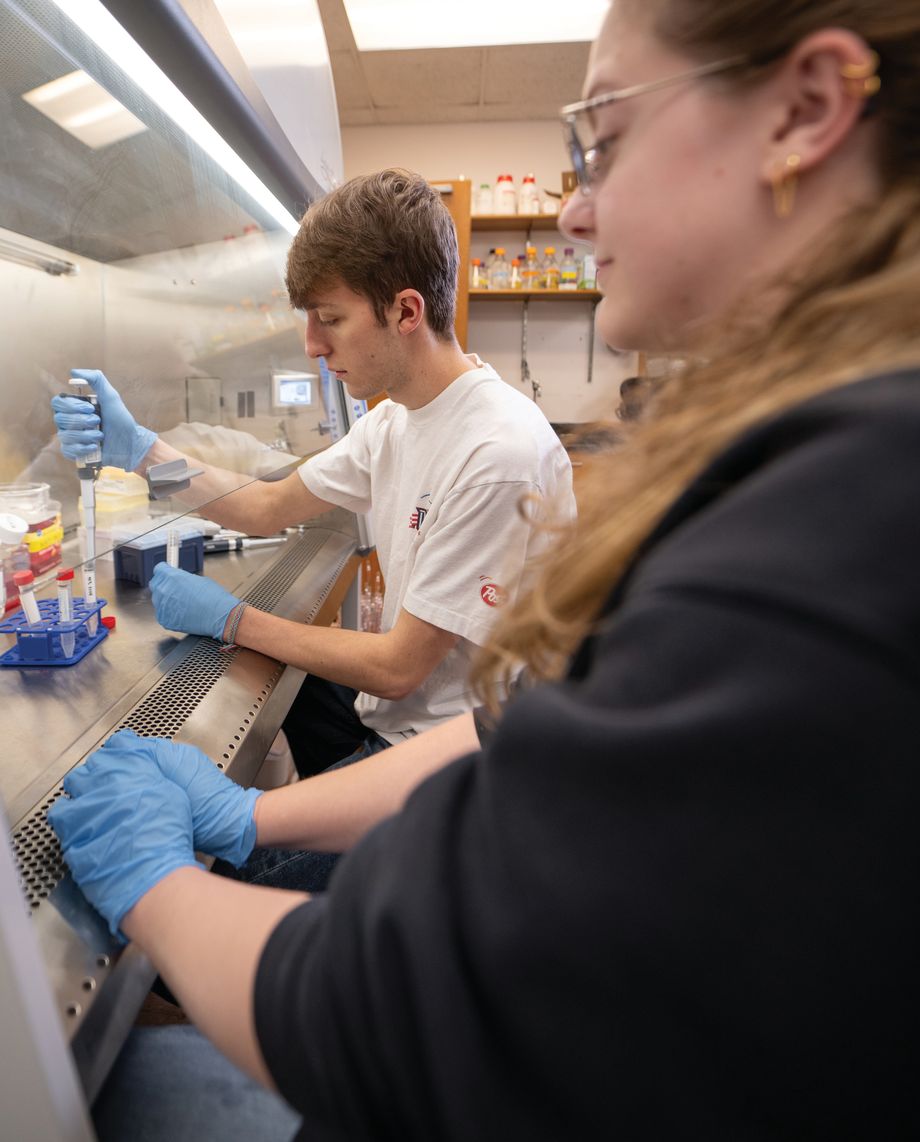
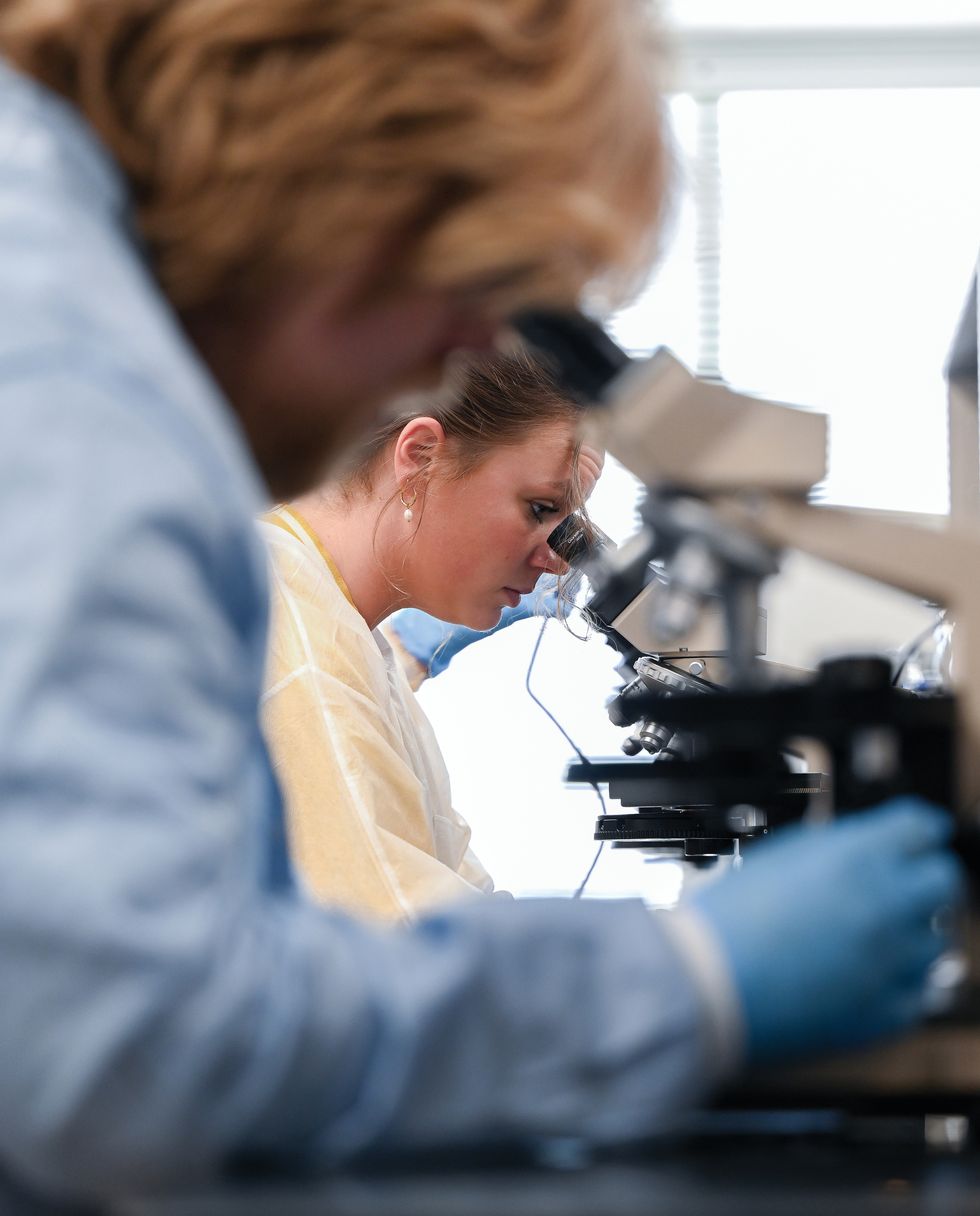
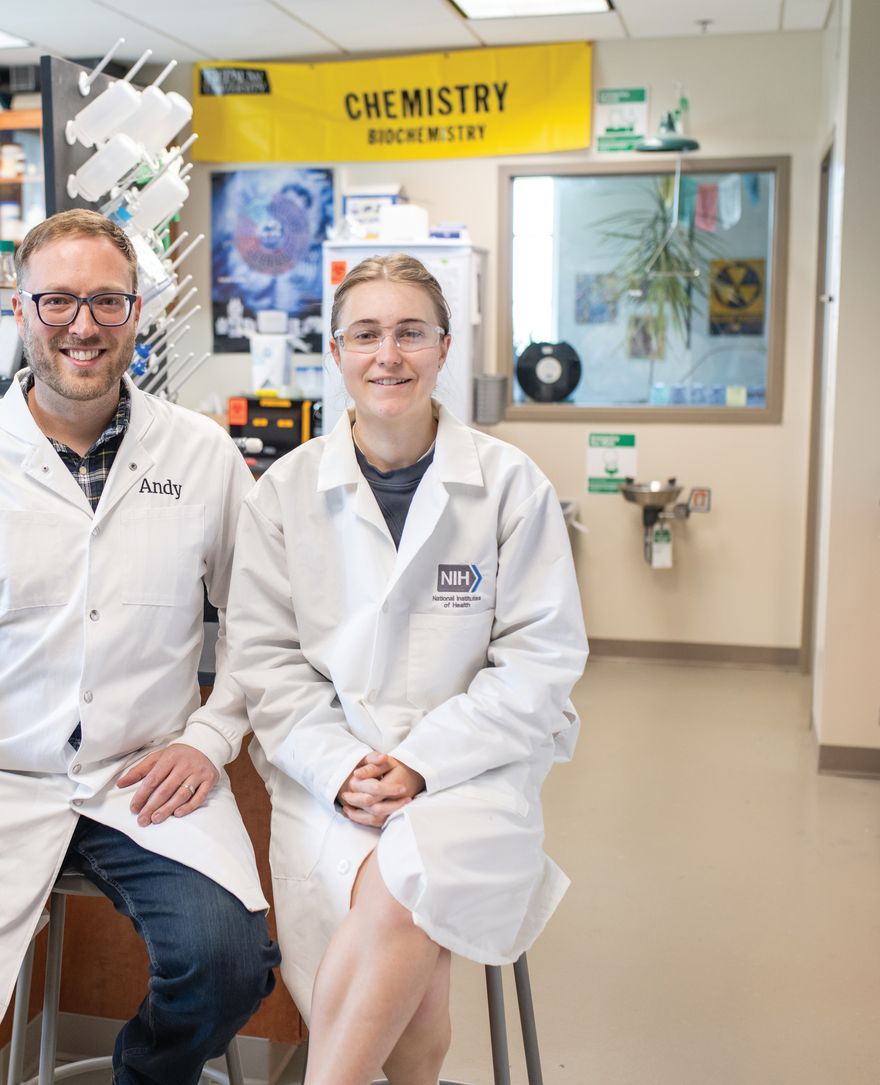
Working with Professor Colleen Doci, Lydia and Dominic test chemistry department compounds on cancer cells to find the concentration that kills them most effectively – research that could inform future treatments.
Lydia N.
“It’s taught me how to be independent – to struggle with a problem until I figure it out.”
Dominic P.
“People don’t expect me to be doing research this big with something as common as cancer.”
Attention
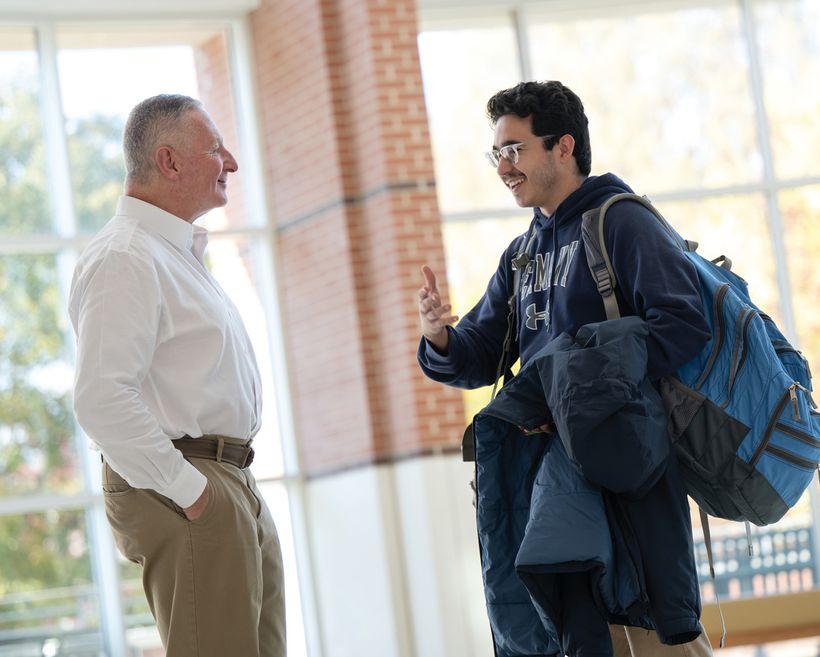
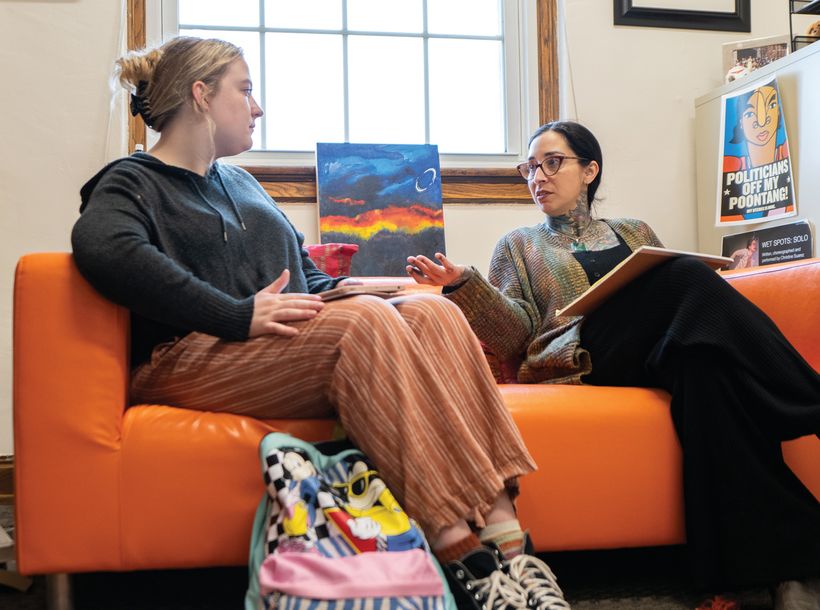
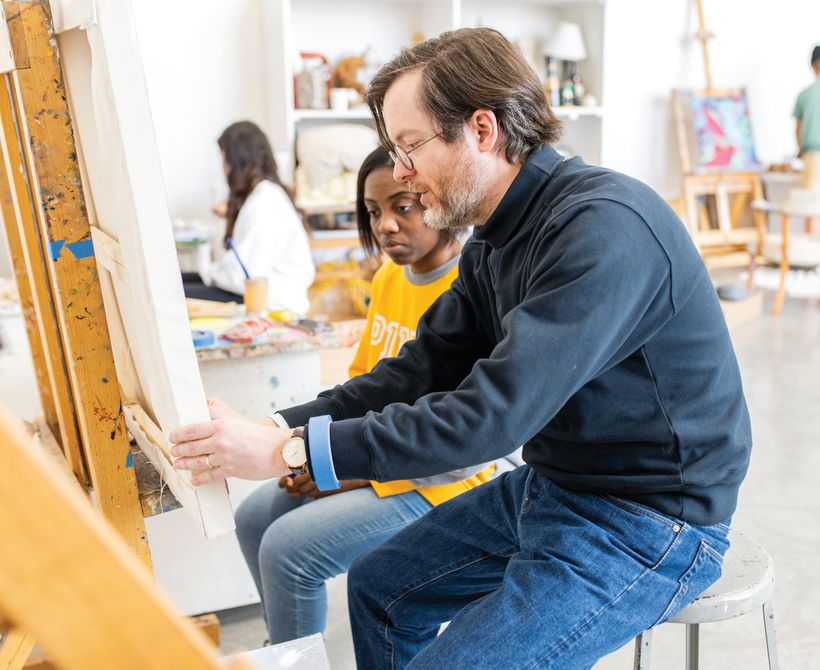
Small classes mean something different at DePauw. With 100 percent of classes taught by professors, not research assistants, you’re learning from the same people who mentor your research, write your recommendation letters and remember your name long after the semester ends. It’s a small shift with a big effect: the classroom becomes a conversation, and professors become the kind of mentors who shape where you go next.
100%
of classes taught by professors, not research assistants
11:1
student-to-faculty ratio
Student voice
Thanks in large part to the faculty members who have supported and mentored her along the way, Amelia has found numerous opportunities to make research a central part of her educational foundation.
“Research lets me learn creatively – and get others just as excited about discovery as I am.”
“In the lab we have the informal conversations that let us get to know one another really well.”
We accept the DePauw Application, the Common Application and the Coalition Application (all available August 1). DePauw does not charge an application fee and is test-optional.
Visiting campus is the best way to know if DePauw is your fit. Wander the quad, sit in on a class, talk to students and professors, catch a concert or a game.